Maximum leverage: the head halter
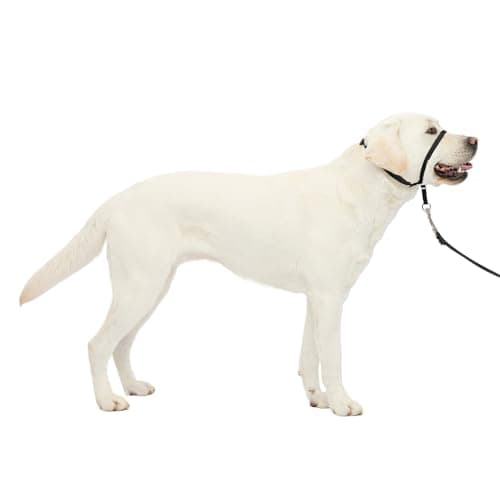
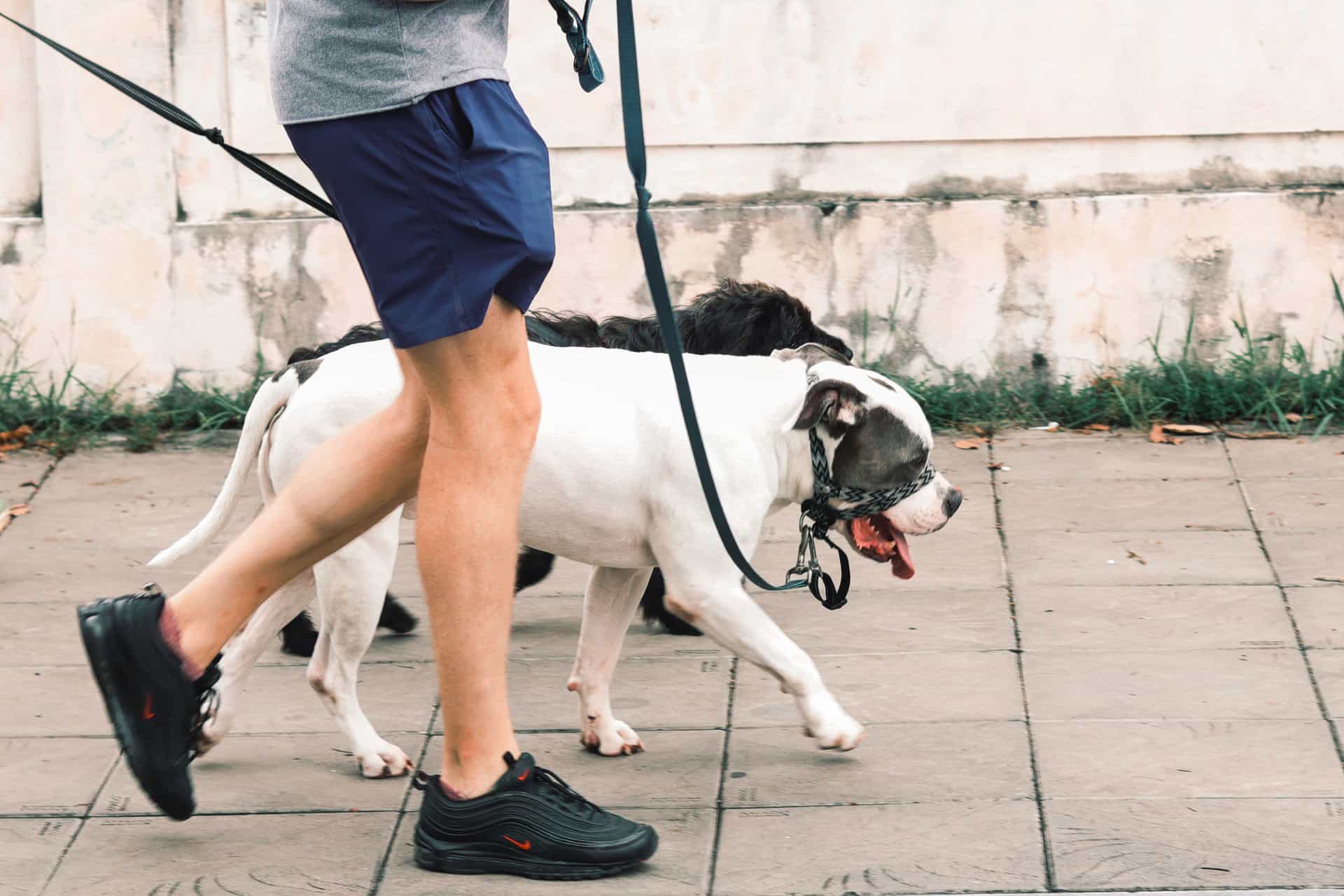
On a strong dog, the connection point decides whether you stay in control, and the most leverage comes from the head. A Gentle Leaderloops the muzzle (never the throat), so where the head goes, the body follows — which is why an average-sized handler can turn a muscular, determined dog that a chest clip alone can’t hold. It is not more force; it’s better mechanics. The Halti is the main alternative, with a padded nose band some dogs tolerate better and a safety link that clips to the collar as a backup — our Gentle Leader vs Halti comparison covers the difference. The trade-off with any halter is acceptance: most dogs paw at it at first and need a slow, treat-first introduction over days, which our guide to introducing a head halter walks through. And you must never jerk a leash on a head halter — guide, don’t yank.
The harness answer, and the starter
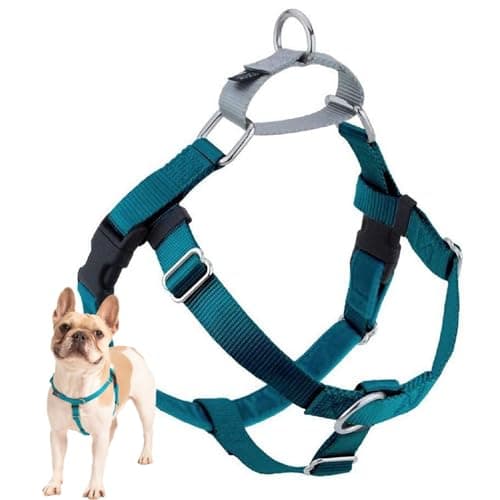
For a pit bull-type dog that flatly refuses a muzzle loop, the harness answer is the 2 Hounds Freedom: run a double-ended leashto its front chest ring and its back martingale loop and you get two points of control on one lead — real steering without the halter’s acceptance hurdle, and a martingale that cinches gently on a surge. It’s girth-sized and strong enough for a muscular dog. If your dog is just starting out, the PetSafe Easy Walk front-clip is the gentlest entry point — it turns a lunge sideways and almost every dog accepts it immediately — though it gives the least leverage of the three on a truly powerful lunger. Whatever you choose, fit it snug: a strong dog exploits any slack, and gear that shifts mid-lunge is gear you can’t rely on.
Gear is management — do the work
No halter or harness fixes reactivity; it turns the outburst down so you can do the thing that actually reduces it: keep distance from the trigger and rewardcalm before your dog tips over threshold, so the sight of another dog slowly comes to predict good things. Reward-based methods are what the evidence supports; aversive tools like prong and shock collars tend to make a fearful dog worse by stacking pain onto the trigger — a real risk with a powerful breed you can’t afford to make more reactive. Our guide to stopping leash lunginglays out the distance-and-reward method, and for a strong reactive dog it is genuinely worth getting a qualified trainer or veterinary behaviorist involved early — both for progress and because, fairly or not, the stakes of an incident are higher for this breed.