More leverage for a big lunger
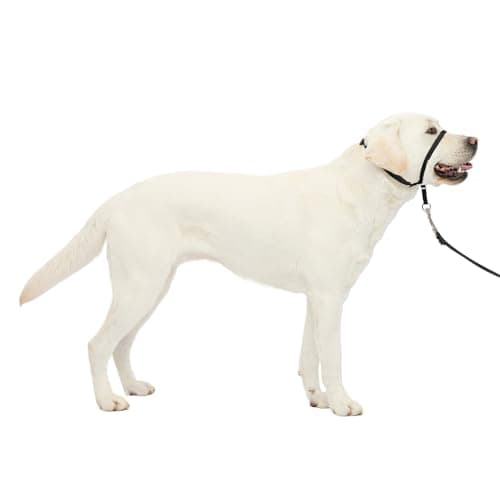
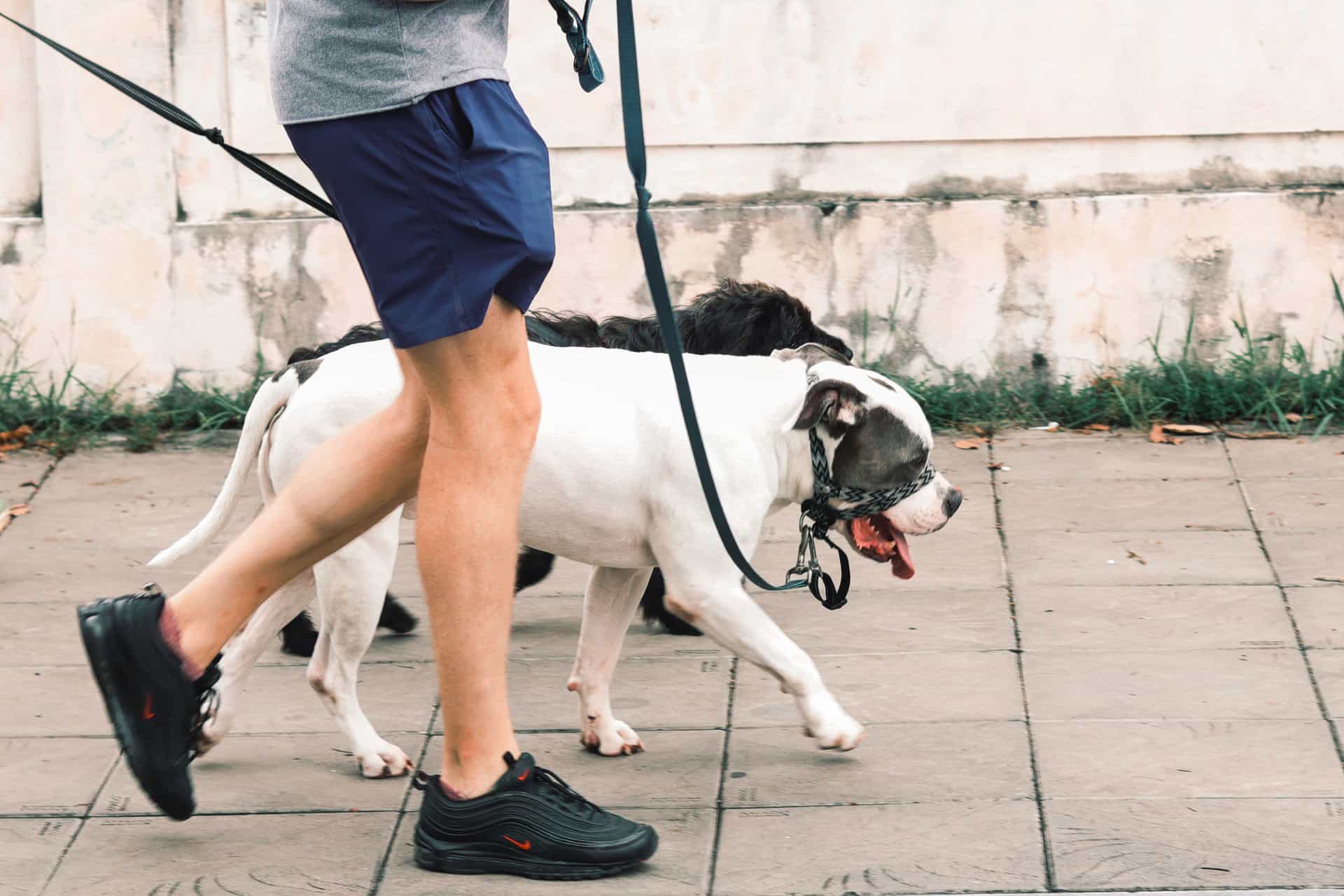
On a small dog, almost anything works — you can physically hold the line. On a large dog, the connection point decides whether you stay in control. A back-clip harness is the worst case: it points every pound of the dog’s drive straight forward and gives you nothing to steer with. A front chest clip is better, because a lunge turns the dog sideways instead of letting it dig in. But the most leverage of all comes from the head. A head halterloops the muzzle (never the throat), so where the head goes, the body follows — and that is why a lighter person can turn a big, determined dog that a chest clip alone can’t hold. It is not more force; it is better mechanics. The trade-off is acceptance: most dogs paw at a halter at first and need a slow, treat-first introduction over days.
Head halter or harness for a large dog
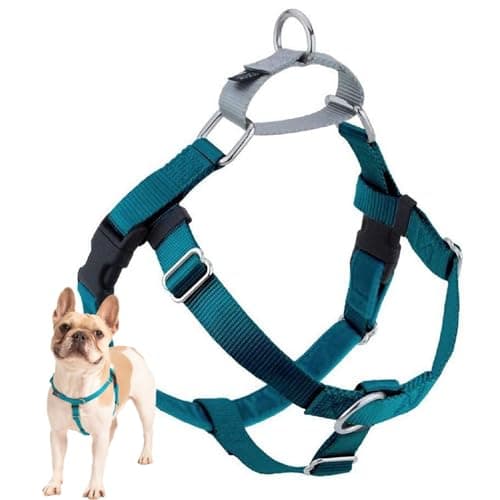
The head halter is the pick when you need maximum control in the moment. The Gentle Leader is our top choice for exactly that leverage; the Haltiis the main alternative, with a padded nose band some dogs tolerate better and a safety link that clips to the collar as a backup — the two work on the same head-steering principle, so the pick comes down to fit and which one your dog will accept. Our Gentle Leader vs Halti comparison walks through the difference, and our guide to introducing a head halter covers the gradual, reward-based method that gets a dog to wear one willingly. For a big dog that flatly refuses a muzzle loop, the harness answer is the 2 Hounds Freedom: run a double-ended leash to its front chest ring and its back martingale loop and you get two points of control on one lead — real steering without the halter’s acceptance hurdle. And if your dog is only just starting out, the PetSafe Easy Walk front-clip is the gentlest entry point, though it gives the least leverage of the three on a truly powerful lunger.
Gear is management — do the work
No halter or harness fixes reactivity, and on a large dog it is a mistake to expect it to. The gear turns the outburst down so you can do the thing that actually reduces reactivity: keep distance from the trigger, and reward calm before your dog tips over threshold, so the sight of another dog slowly comes to predict good things instead of a fight. Reward-based methods are what the evidence supports; aversive tools like prong and shock collars tend to make a fearful dog worse by stacking pain onto the trigger. Never jerk a leash attached to a head halter — a sharp pull can hurt the neck; guide, don’t yank. Our guide to stopping leash lunging lays out the distance-and-reward method step by step, and for a large, strong reactive dog it is genuinely worth getting a qualified trainer or veterinary behaviorist involved early.