CPS-certified vs brand crash-tested
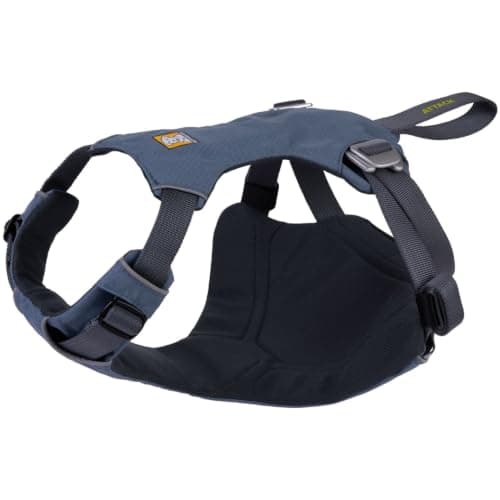
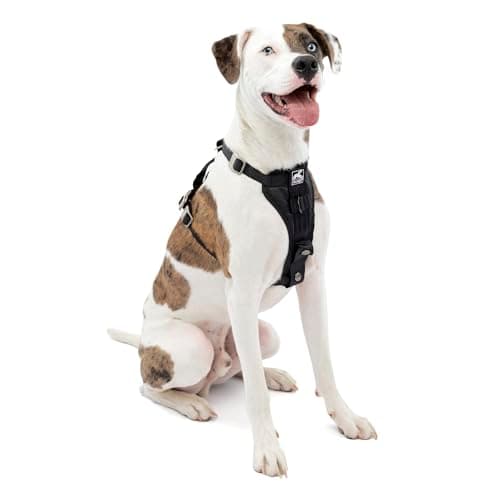
Only a handful of harnesses have earned the Center for Pet Safety’s independent 5-star certification — the Sleepypod Clickit Sport and Clickit Range, and the Saker Bomber. The Kurgo Tru-Fit and Ruffwear Load Up are manufacturer crash-tested to FMVSS 213 but are not CPS-certified — a distinction those brands are generally upfront about, and one you should weigh. If independent certification is your deciding factor, a Sleepypod is the pick; if you want a crash-tested harness that also works for walks at a lower price, the Kurgo is the value play — our Sleepypod vs Kurgo comparison puts that exact trade-off side by side. For the certified benchmark on its own, see our Sleepypod Clickit Sport review; for the two premium options head to head, our Sleepypod vs Ruffwear Load Up and Kurgo vs Ruffwear Load Up comparisons settle the rest.
For small dogs: a certified carrier
Small dogs are poorly served by clipping a tiny harness to a full-size seat belt. For a very small dog, the certified alternative is a CPS-certified carrier secured in the back seat — the Center for Pet Safety’s certified list includes carriers such as the Sleepypod Atom and Sleepypod Air. We used to point small-dog owners to the ZuGoPet Rocketeer here, but as of September 18, 2026 it no longer appears on the CPS certified list and is sold out at ZuGoPet, so we no longer recommend it. Our car harnesses for small dogs roundup covers the options by size.
How to travel safely, per the Center for Pet Safety
- Restrain the dog in the back seat, away from active airbags and out of line with passengers’ heads.
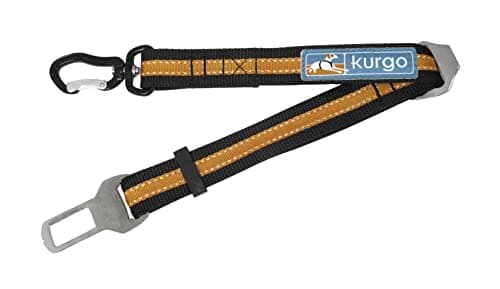
- Never use an extension or “zipline” tether.CPS warns these give a pet too much travel in a crash, creating a clothes-line effect that can cause catastrophic spinal injury — they can negate a harness’s protection entirely. If your harness came without a tether, our dog seat belts and car tethers roundup covers the short ones worth buying and what each brand actually claims.
- Be wary of booster seats, whose attachment points are often untested and which place the dog high and close to the glass.
- Fit the harness snugly— a loose car harness lets the dog load into it at speed. Our sizing guide covers the fit.
Three questions come up often enough to have their own pages. If you want one harness for the drive and the walk, only some crash-tested vests have a usable walking ring — our harnesses for both the car and walks sorts out which genuinely do both and when two harnesses is the cheaper answer. For a long journey, how long a dog can travel in a car covers the stop-every-few-hours rule, water, feeding and heat. And if you drive a pickup, can a dog ride in a truck bed runs through the six states that restrict it, what cross-tethering actually means, and the cab setup we would use instead — including the tether problem specific to Ford F-Series trucks.
One more honest note: a great walking harness is not a car harness. Only a harness explicitly crash-tested for the car belongs in the car — the everyday no-pull harnesseswe recommend are not rated for a crash, and you should not treat them as if they were. If you’re weighing a harness against a crate or a carrier, our car harness vs crate vs carrier guide covers the trade-offs by dog size and vehicle.
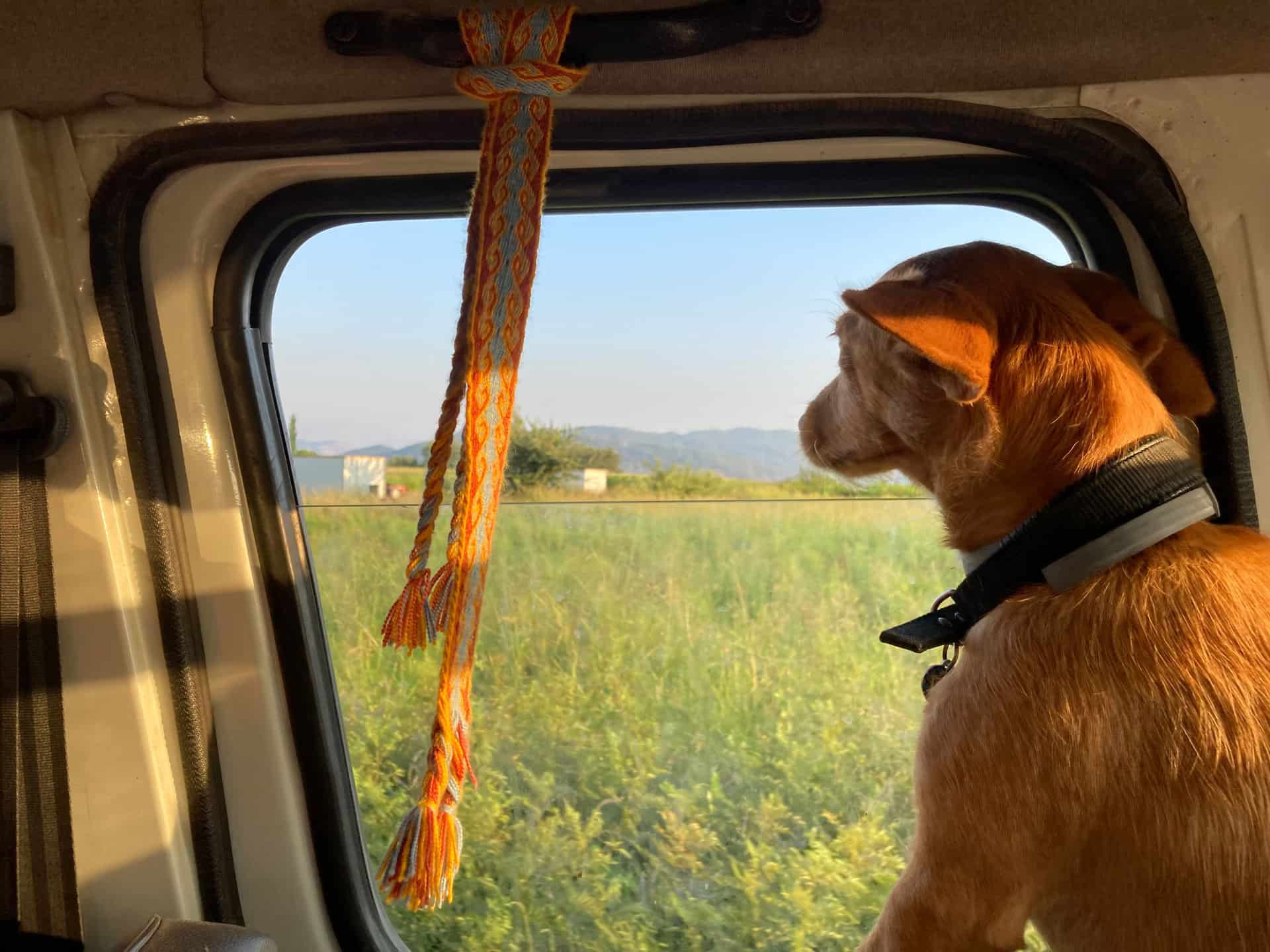
Two situations get their own pages because the usual advice does not fit them. A puppy is still growing, chews the tether and has never done this before — the restraints that handle all three are on car harnesses and seat belts for puppies. And if the habit you are trying to break is a dog riding with its head out of the window, the AKC is blunt about it: see is it bad for dogs to stick their head out the car window.