Maximum control: the head halter
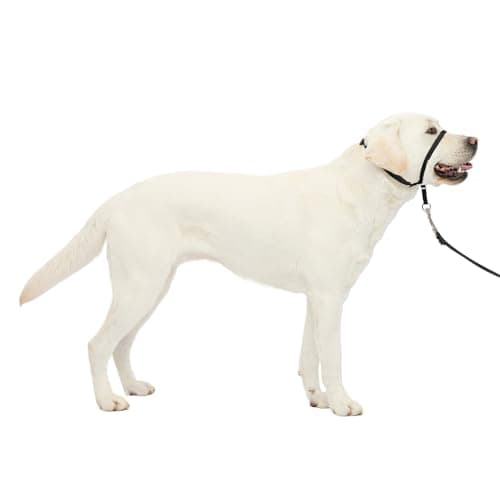
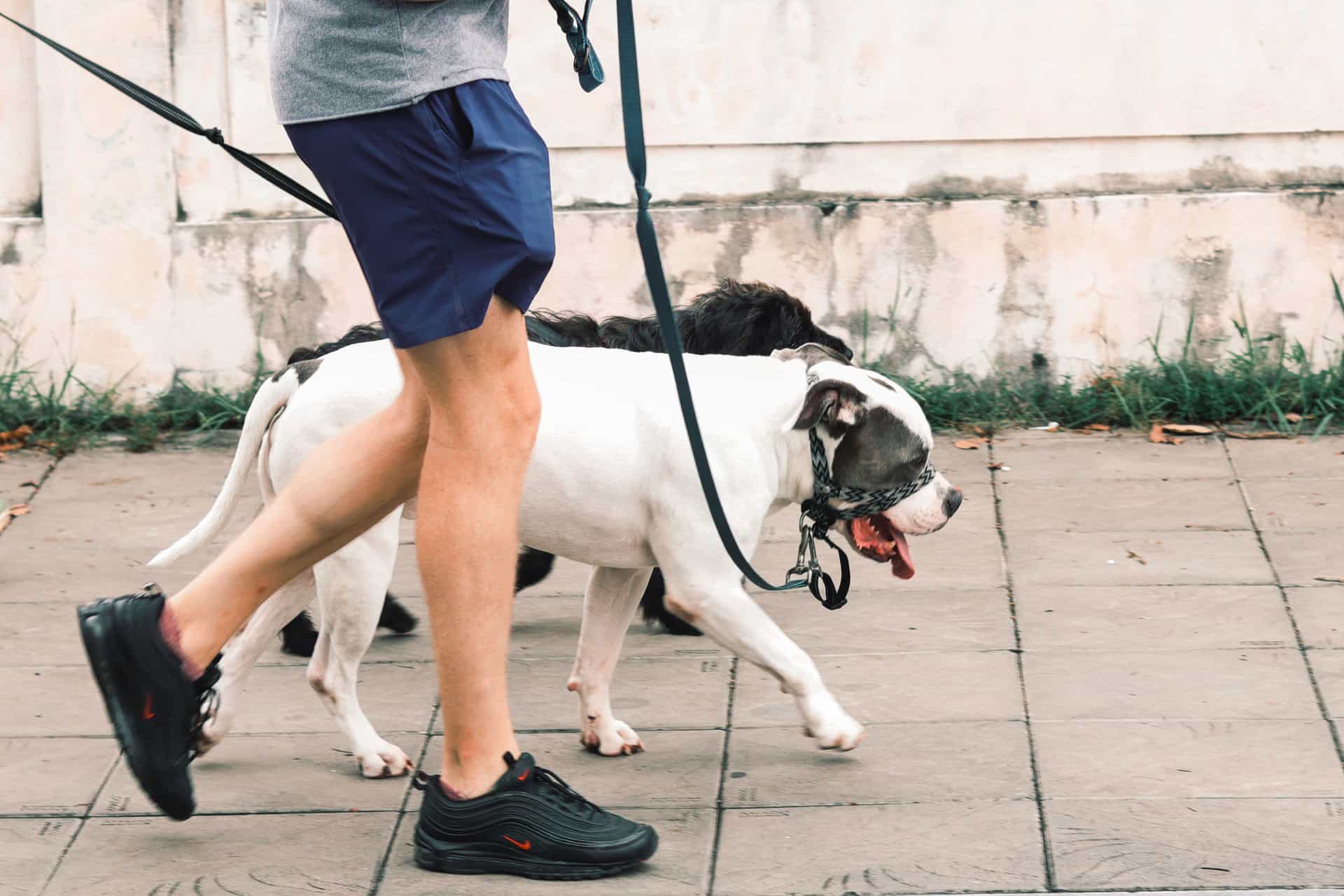
For a strong, reactive Shepherd, our top pick is the PetSafe Gentle Leader: the loop sits around the muzzle, not the throat, and steers the head, so a lunge you couldn’t hold on a harness becomes a turn you can. It’s the tool that lets a normal-sized person stay in charge of a big, determined dog, and it never tightens on the neck. The Haltiis the padded-nose alternative with a collar safety link that clips to the collar as a backup — useful insurance on a powerful dog — and some Shepherds tolerate its fit better; our Gentle Leader vs Halti comparison helps you pick. The honest catch with either is acceptance: nearly every dog paws at a head halter at first and needs a slow, treat-paired introduction over days, not minutes, and you must never jerk the leash on one, because a hard yank on a head halter can hurt the neck. Our guide to introducing a head halterand VCA’s guidance both cover doing it gently.
The harness option a Shepherd will accept
Plenty of Shepherds won’t take a head halter, or you want a gentler everyday tool for the training walks. The 2 Hounds Freedom on a double-ended leash is the answer: clip one end to the front chest ring and one to the back martingale loop and you get two points of control on one lead— enough steering to turn many Shepherd lunges without the acceptance hurdle of a halter. It’s more comfortable long-term than a head halter and doubles as one of the best no-pull harnesses you can buy. The honest trade-off is that two points of control means learning to handle a double-ended leash, and it still gives less absolute leverage than a halter on the very strongest lungers. As a simple starter, the PetSafe Easy Walkfront-clip turns a lunge sideways and is instantly accepted — a fine first tool while you build the training, though a big Shepherd can out-muscle a single front clip at the peak of a lunge.
Gear manages it; training reduces it
No harness or halter fixes reactivity in a Shepherd; it makes the walk survivable while you change how the dog feels about its triggers. The evidence-based approach is reward-based — the American Veterinary Society of Animal Behavior recommends against aversive tools like prong and shock collars, which tend to increase fear and fallout in an already-aroused, powerful dog and can make a guarding breed more dangerous, not less. Keep distance from triggers, reward calm, work below the threshold where your dog erupts, and get a qualified trainer or veterinary behaviorist involved — this is not a breed to go it alone with. Use a fixed, controllable leash, never a retractable one; see our leash picks. For the underlying method, our guide to stopping leash lunging walks through the distance-and-reward work, and if your Shepherd also bolts when startled, pair this with our escape-proof harness picks for the breed so a lunge can never become a loose dog.