Size first: check the top of every chart
With a Great Dane, sizing comes before every other consideration, because a harness that doesn’t come big enough is no harness at all. Measure the chest girth at its widest point, just behind the front legs, and then compare that number against the largest size each brand offers— do not assume the top of a chart clears a Dane. Our harness sizing guide shows exactly where to measure. The advantage of our top pick, the 2 Hounds Freedom, is that it is sized by exact chest girth rather than a rough size band, which takes the guesswork out of fitting an outsized dog — confirm your measurement lands inside its largest size and you have a precise fit. The Ruffwear Front Range and the Kurgo Tru-Fit both run to an XL, and the rabbitgootops out at XL as well — a genuine budget option for a Dane, but the one where you most need to check that top size against your dog’s girth, because a giant is exactly the dog it can run short for. When two sizes overlap, size up and take in the slack on the adjustment straps.
Leverage beats raw strength
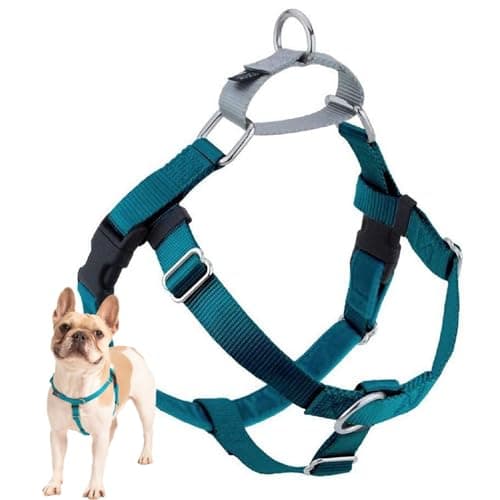
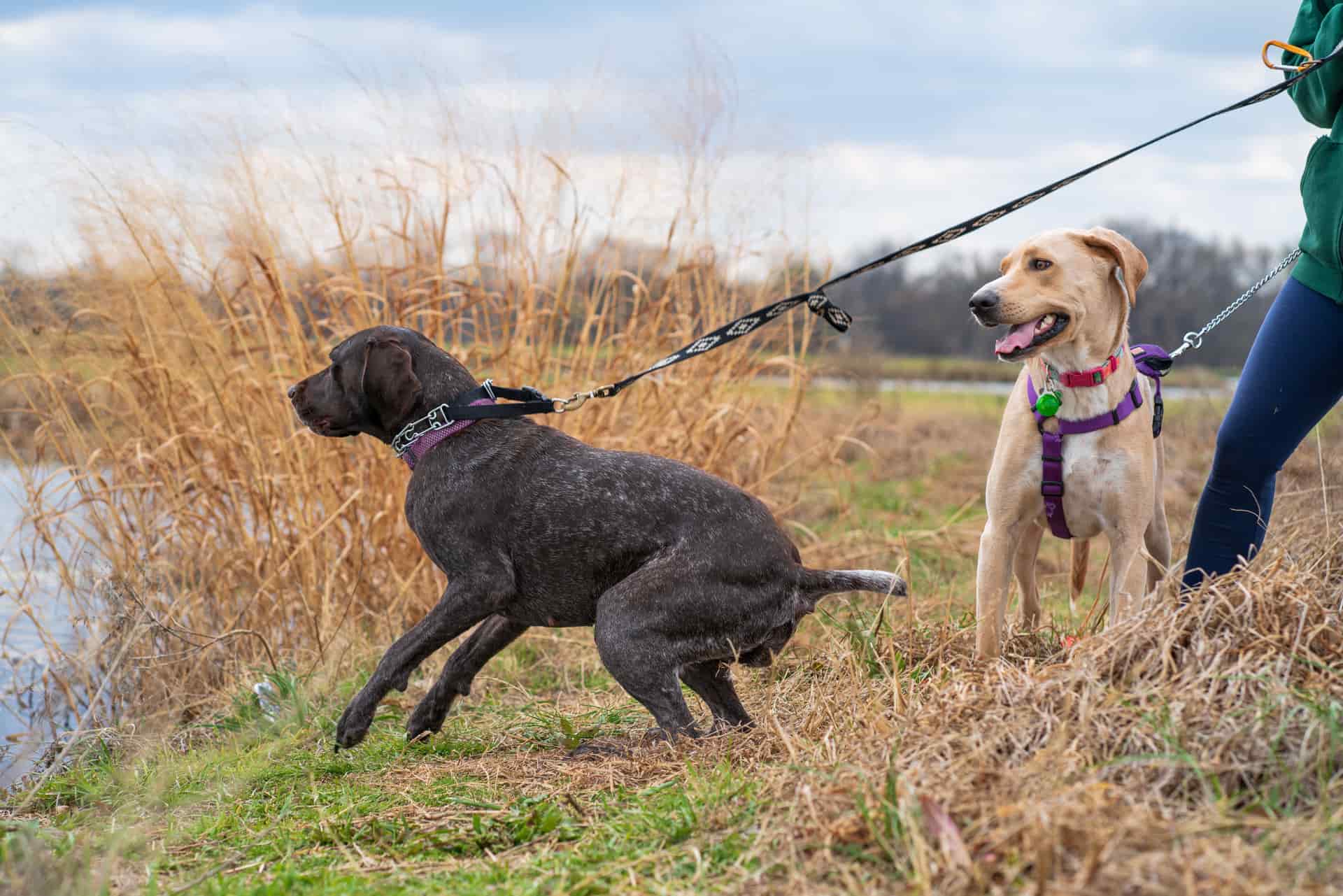
Once it fits, control on a Great Dane is about physics, not arm strength. Move the leash to a front chest clipand a surge rotates the dog’s shoulders back toward you; leave it on the back and you are simply anchoring a very large engine that points forward. Our overall pick, the 2 Hounds Freedom, gives you the most leverage per pound: a front ring plus a back martingale loop that gently cinches on a surge means two points of redirection on a double-ended leash, which is what lets a normal handler stay in charge of a dog that outweighs them. Its honest trade-offs are the price over a basic front-clip and that it works best with a double-ended leash, an extra buy. If you want the toughest hardware, the Kurgo Tru-Fitis the heavy-duty play: five adjustment points and a steel nesting buckle for a strong dog, and it doubles as a car harness with an included seat-belt tether. Be precise about that car claim — Kurgo crash-tested it themselves to the FMVSS 213 standard, which is a real test, but it is not the independent certification of the Center for Pet Safety; if crash protection is the point, read our car-safety guidefor the certified options first. No harness replaces teaching the walk, either — pair any of these with reward-based training.
Comfort on a giant, short-coated dog
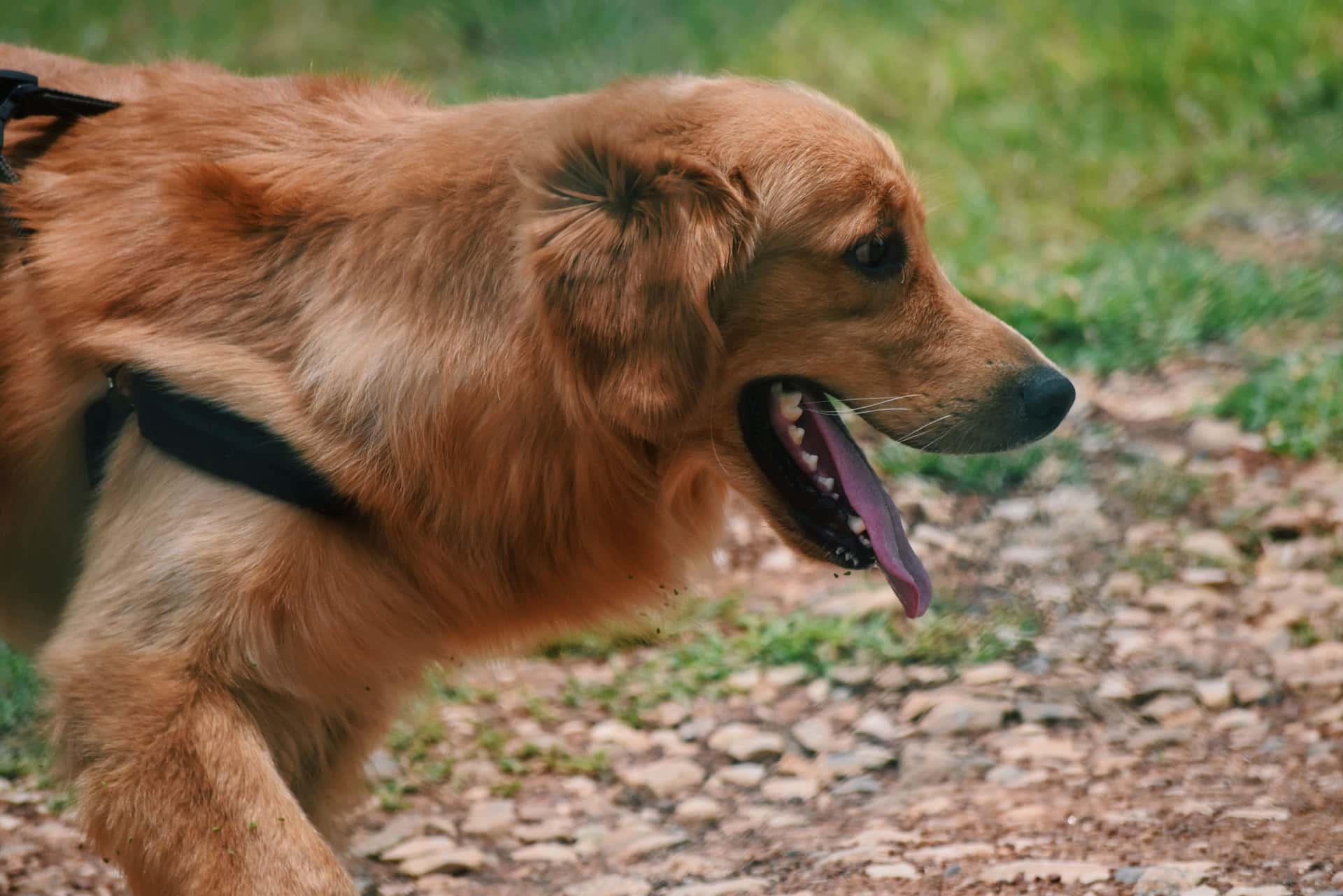
A Great Dane has a lot of body and very little coat, so thin webbing digging into a broad chest is a real chafing risk over a long walk. That is why comfort is a ranking factor and not an afterthought here. The Ruffwear Front Rangeis our comfort pick for a giant breed: padded, foam-lined chest and belly panels spread pressure over a wide area, four adjustment points dial in the fit on a big frame, and a reinforced front clip still handles the no-pull job. The honest catch is that it is priced well above the others and is a comfort harness first, not a dedicated anti-pull tool. For most Danes we’d walk the everyday miles on the Freedom for its leverage and the Front Range for its comfort, keep the Kurgo for its tough build and car crossover, and treat the rabbitgooas the budget option — padded and handled, but with less durable hardware that a strong dog can work loose, and again, check that its top size fits. Our Front Range vs Freedom comparisonputs our top two Dane picks side by side. One more point in a giant breed’s favor: a dog this size is easy to spot in daylight but not at dusk, and the Front Range, the Kurgo and the rabbitgoo all carry reflective trim, so the harness that spreads the load also helps a big dog stay visible on a dark morning or evening walk. Whatever you choose, keep two fingers of room under every strap so it clears the shoulders and doesn’t rub a short-coated giant raw.