Matching the alternative to your actual reason for switching
People arrive at this search from four different places, and the right pick is different for each.
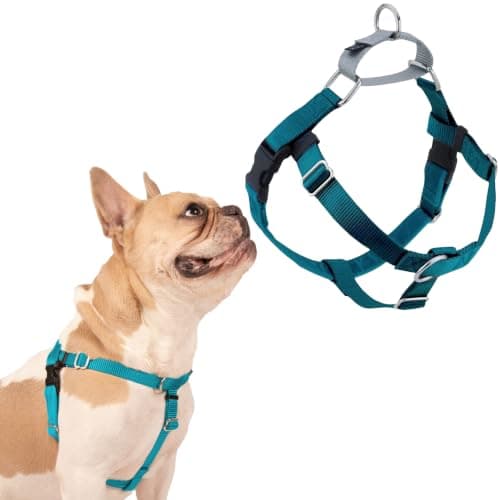
“My trainer, vet, daycare or insurer told me to stop.” Then you need something that works on the same walk, with the same dog, starting tomorrow. The 2 Hounds Freedom on a double-ended leash is the closest functional replacement: two points of contact, a cue the dog feels before it reaches the end of the line, and no correction built in. Expect one or two walks of adjustment while you learn to use the front line.
“It stopped working, or the dog got worse.” This is common with reactive dogs specifically, and it is the most important case on the page. A dog that is already frightened or over-aroused by another dog, and that feels something unpleasant at the exact moment it sees one, can learn the association you least want. If your dog barks and lunges rather than simply pulling, the gear you want is on our reactive-dog gear pages — reactive gear under $50 lays out the kit and the buy order — and the method is distance and counter-conditioning rather than correction.
“I never wanted one; I just can’t hold my dog.” Buy the Gentle Leader and do the introduction properly. Be honest about the size mismatch while you do it: our guide on a dog that is stronger than you is the page to read first, because some combinations need a second handler or a trainer and no product on this site changes that.
“I want the cheapest thing that is not a prong.” rabbitgoo. A front ring, a back ring, a padded vest and a grab handle for very little money. It will wear out sooner than the others and it will do this job in the meantime.
The honest limits of every alternative here
A head halter needs an introduction, not a purchase. A nose loop is a strange sensation and a dog that has it buckled on and is walked out of the door will fight it. VCA Animal Hospitals publishes the gradual process; our head halter introduction guide turns it into a two-week schedule, and do head halters hurt dogs answers the question most people have next. A halter is also wrong for a flat-faced breed, which has no muzzle for the loop to sit on.
A front-clip harness manages pulling; it does not end it. It makes pulling stop paying off, which is exactly what you want while the dog learns the alternative — but the learning comes from rewarded repetitions of walking beside you, not from the hardware. Owners who expected the harness to do the teaching are the ones who conclude it failed; see no-pull harness not working for the fixes in order, starting with fit.
None of these is a one-for-one match on raw stopping power. We are not going to pretend otherwise. A prong collar on a 100 lb dog delivers a signal no chest harness reproduces, and the head halter is the only tool here that comes close. If that is your dog, the sequence that works is: head halter for control now, serious reward-based training on the schedule, and a realistic conversation about whether this dog can currently be walked by this handler alone.
What about a choke chain, slip lead or pinch collar?
Same answer, same page. All three work by tightening or pressing on the neck, so the substitution logic does not change: move the connection to the head for maximum leverage, or to the chest with two points for most dogs. The AKC’s guidance on harnesses versus collars covers why the throat is the part of a dog you most want the force off, and our no-choke harness roundup ranks the designs that spread pressure across the chest instead. If your dog has a diagnosed airway problem the stakes are higher again — see our picks for dogs with a collapsing trachea, which excludes anything that tightens at the throat entirely.
One practical note on the changeover: keep the old collar on the dog, with its ID tag, and attach the leash to the new tool. Switching gear and removing identification on the same day is how dogs get lost. And expect the first three walks to feel worse before they feel better — you are changing a system the dog has rehearsed hundreds of times, and so are you.